
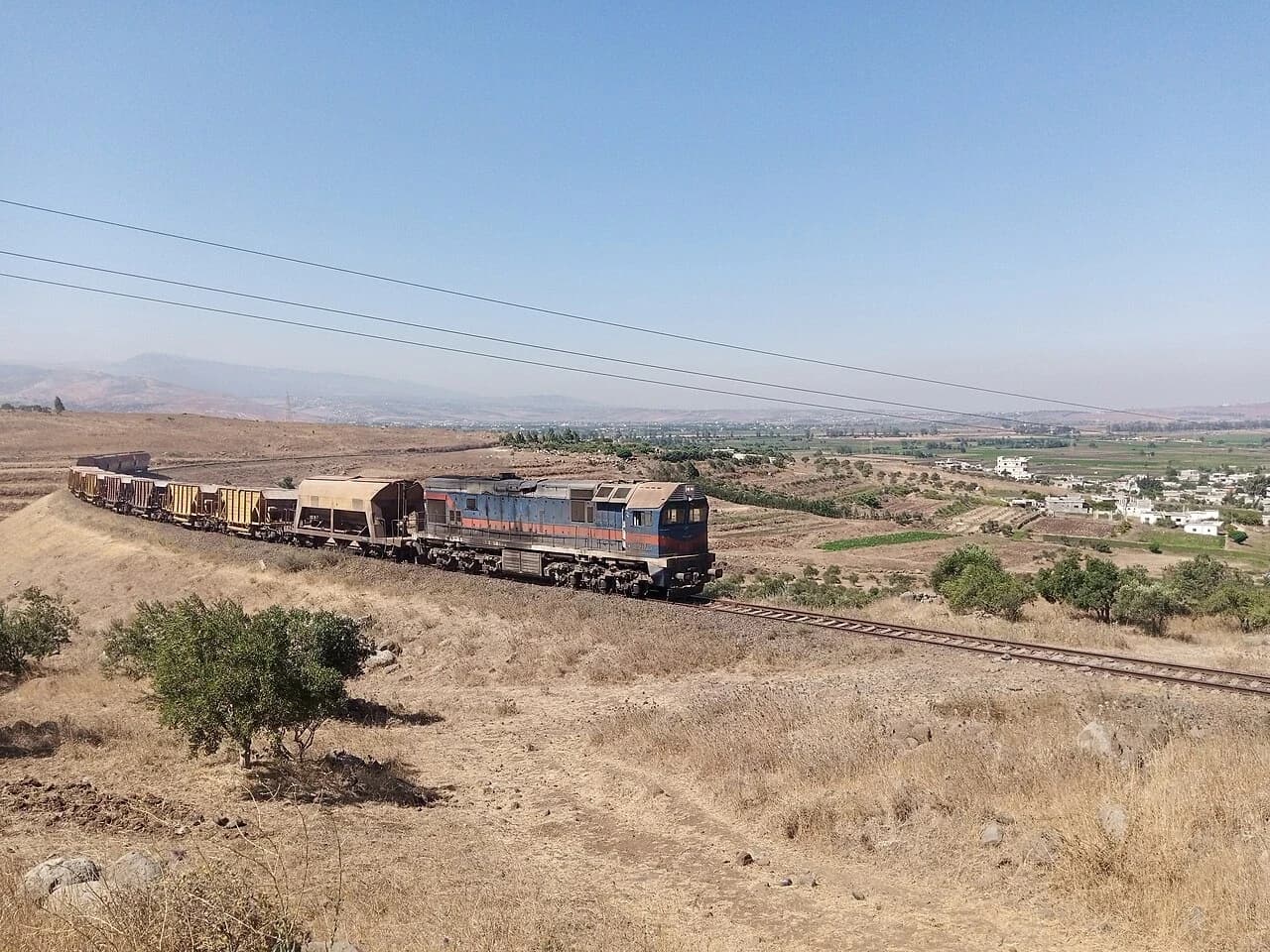
Your shipment’s journey by rail
Explore the freight process, find the right wagon for your cargo and discover transport corridors and handling centres.
How rail freight works
1 · Request service
Submit the transport request with your shipment details.
2 · Prepare
Prepare the goods and consignment to specification.
3 · Load
Load the goods onto the appropriate freight vehicles.
4 · Unload
Unload the goods at the station.
5 · Deliver
Hand over the shipment and complete the formalities.
What are you shipping?
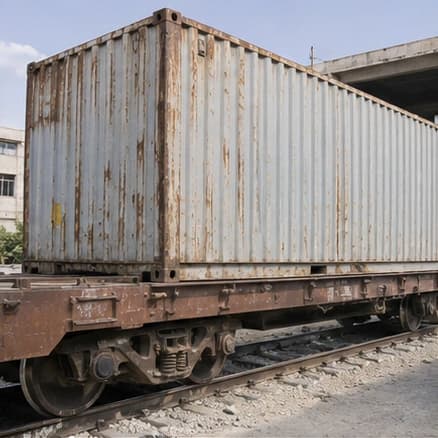
Containers
Open flat wagon
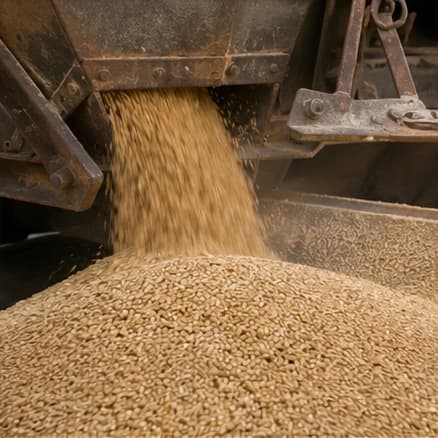
Grain and pulses
Grain hopper
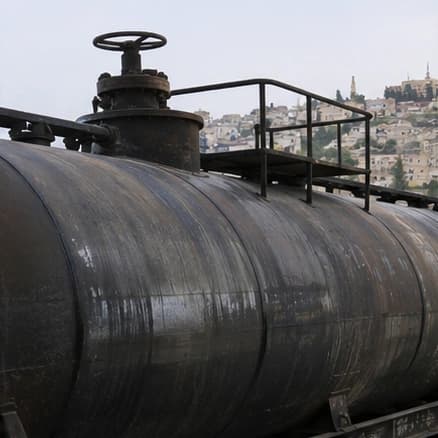
Liquid fuels and petroleum products
Special-purpose tank wagons
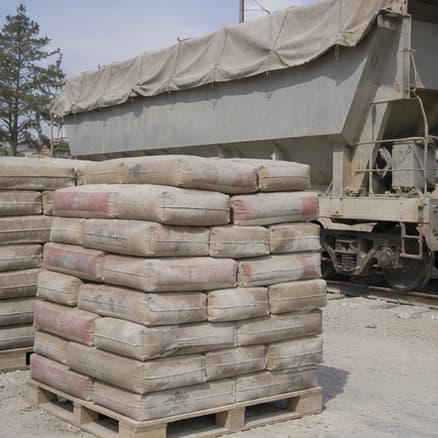
Cement, clinker and cold materials
Tank or enclosed wagon
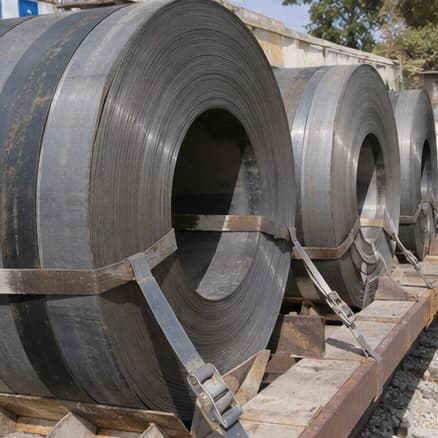
Iron and steel products
Flat wagon
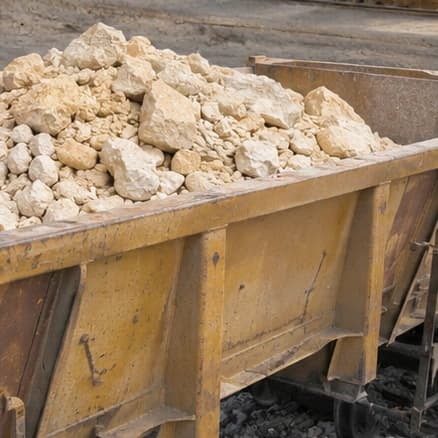
Phosphate and chemicals
Phosphate wagons
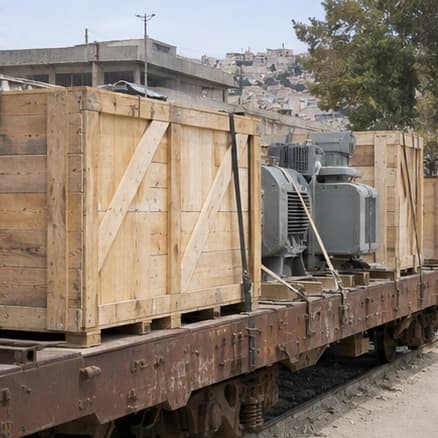
General goods and equipment
Freight or tank wagon
Freight corridors and handling centres
Ports, central and southern regions
Latakia – Tartous – Homs – Damascus
Connects the ports with storage and consumption centres.
Ports, central and northern regions
Latakia – Tartous – Homs – Aleppo
Carries raw materials and products between ports and industrial centres.
Phosphate corridor
Tartous – Homs – Mhin – Al-Sharqiya
For heavy loads and bulk freight over long distances.
Loading and unloading centres
- Aleppo — Baghdad Station and Jibrin
- Damascus — Adra
- Baniyas — Baniyas Station
- Tartous — Tartous Station
Service features
- Shipment tracking with up-to-date information.
- Specialist technical support around the clock.
- A network connecting economic centres.
- Competitive rates under safety and quality standards.
The guide compares one freight train with 20–30 road trucks and cites 75% lower carbon emissions and regular journeys free from road congestion.
What to prepare
- Date the shipment will be ready
- Cargo type, quantity, weight and material
- Requested departure and arrival stations
- Transport request document